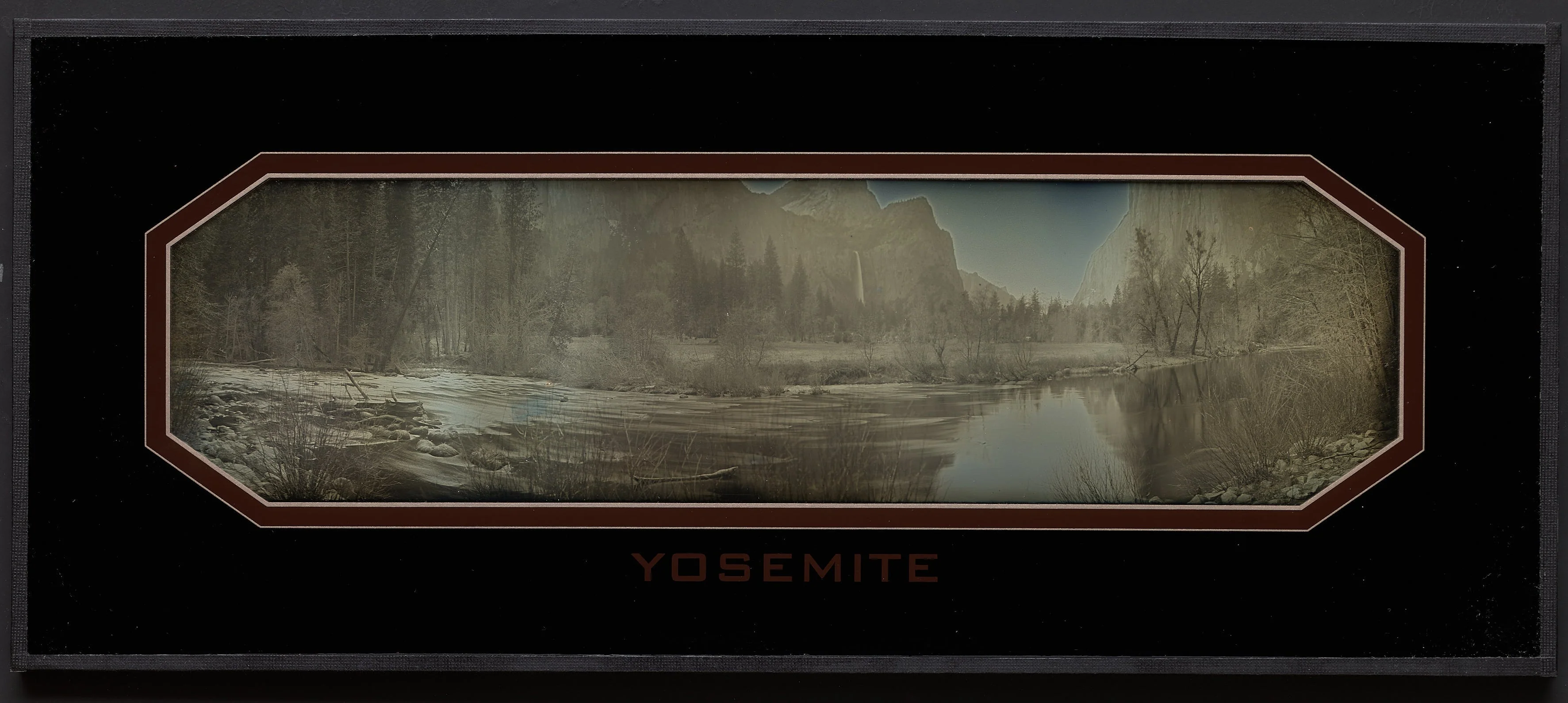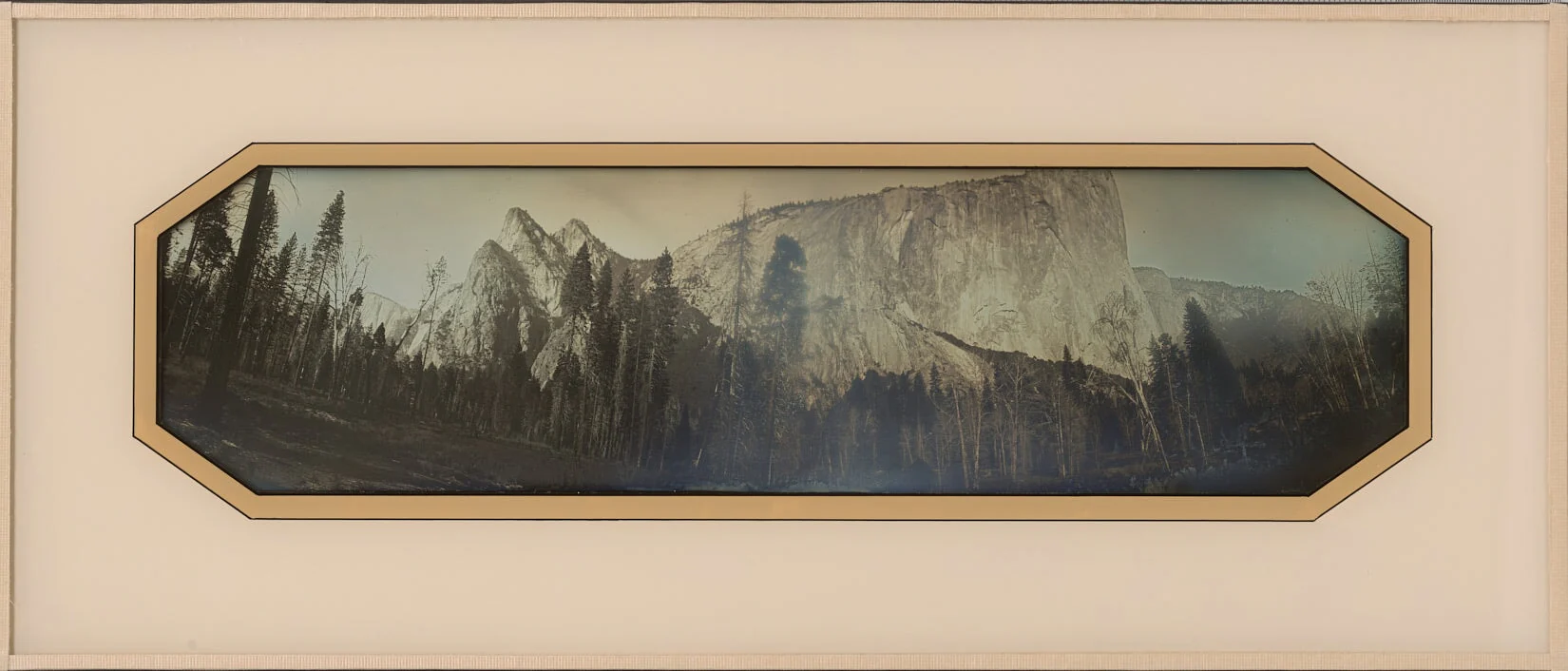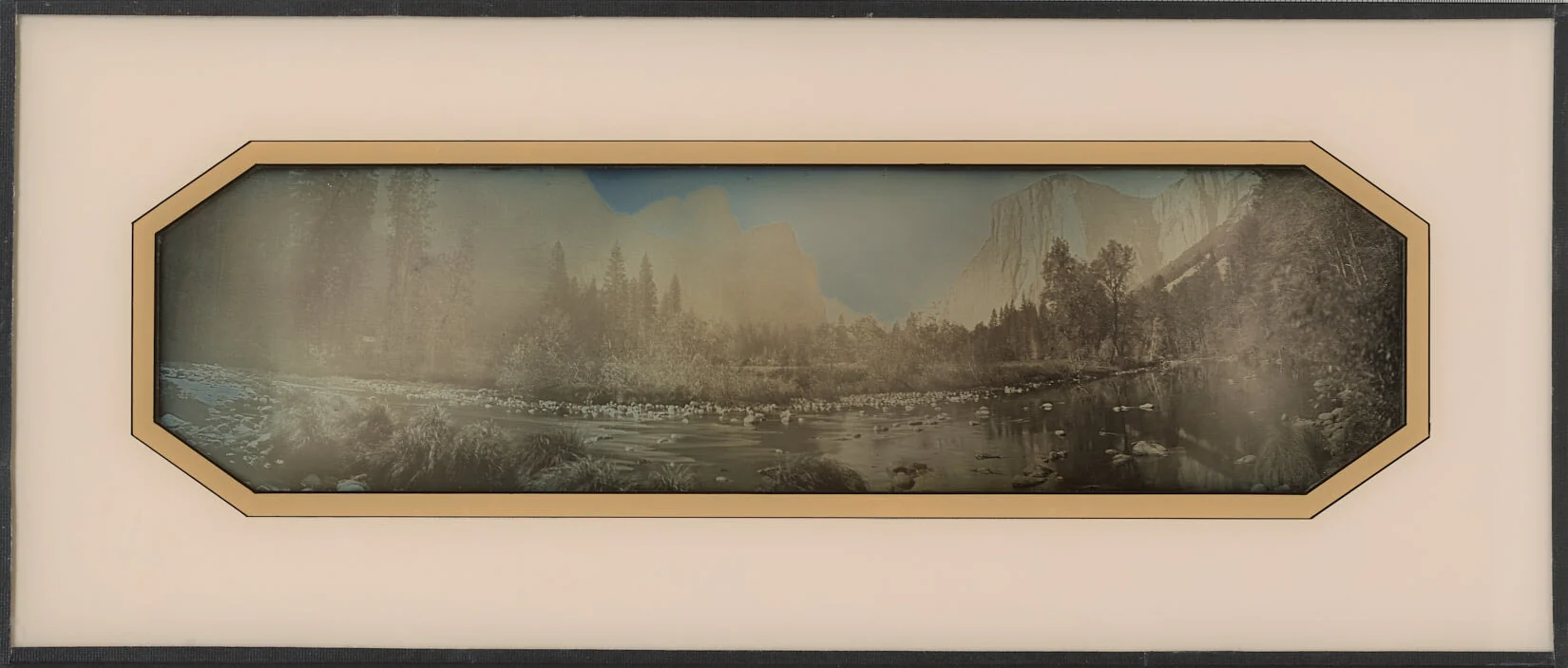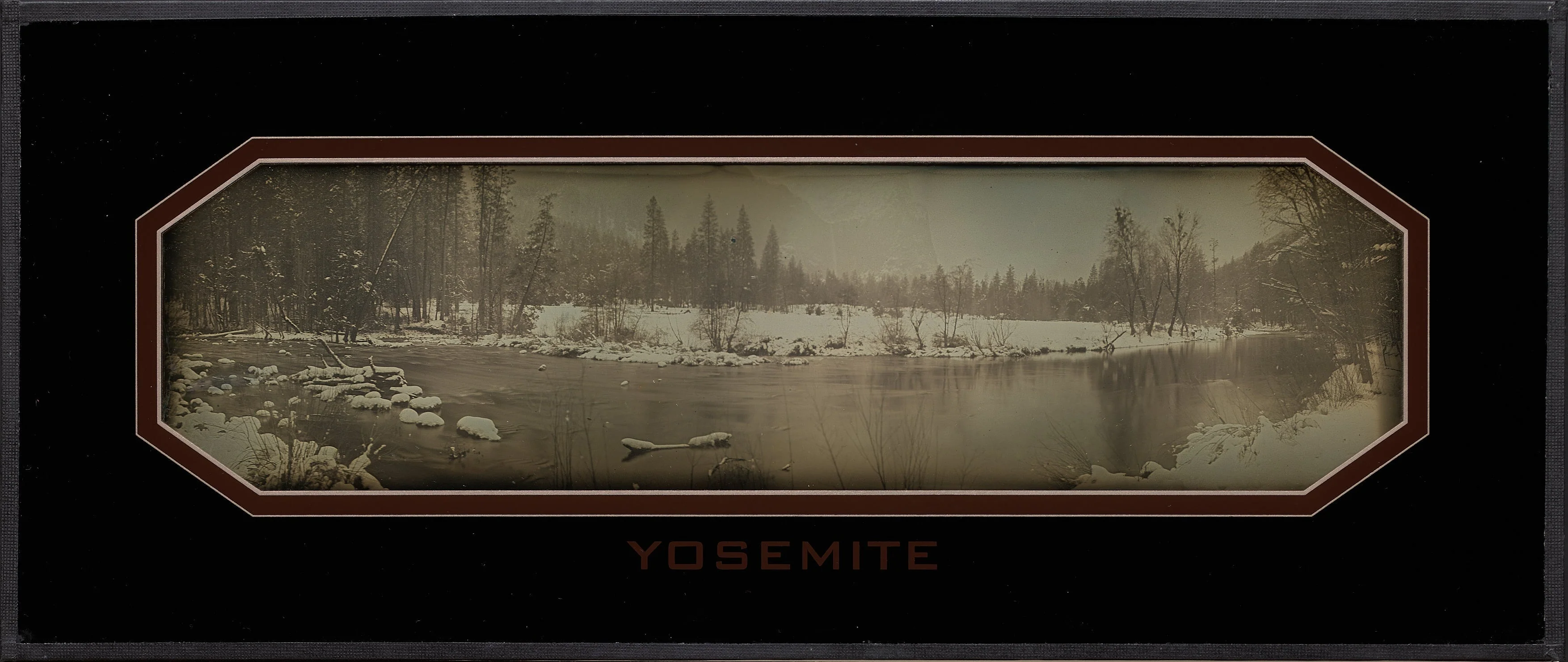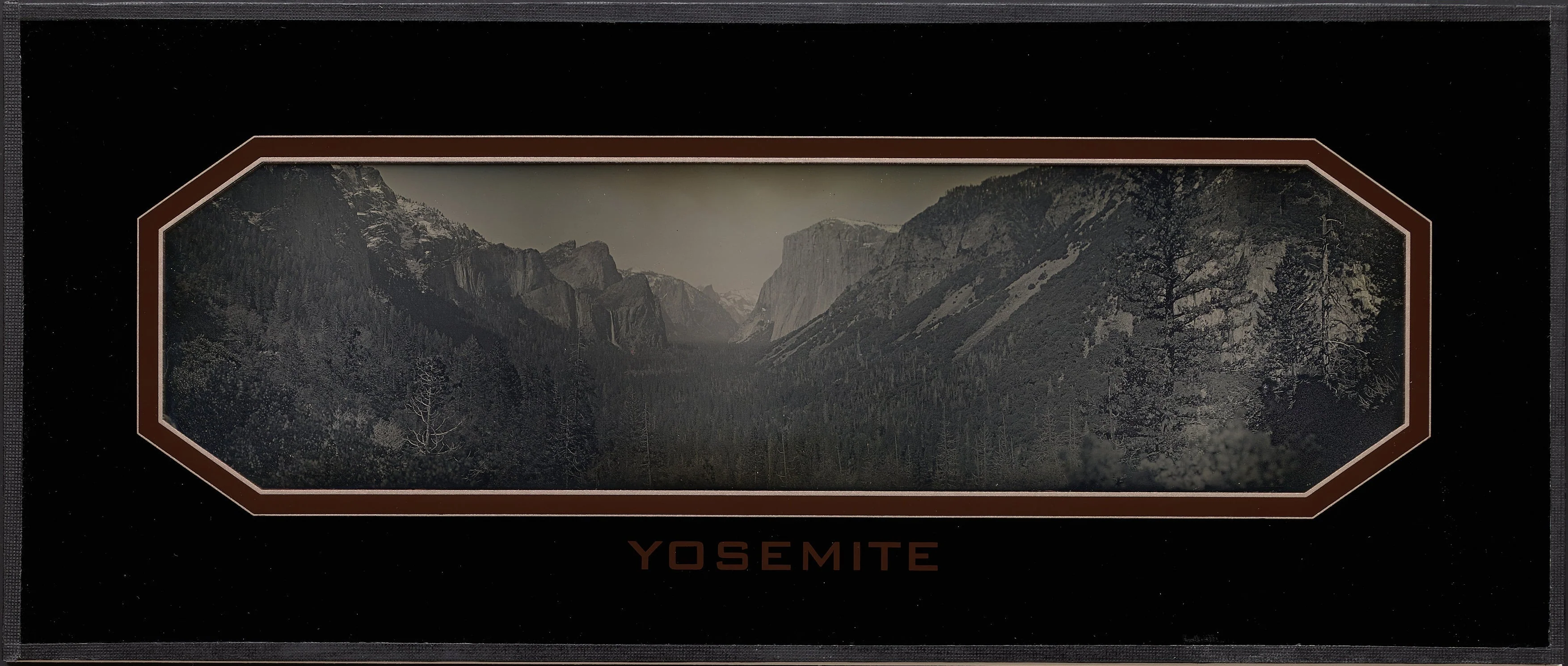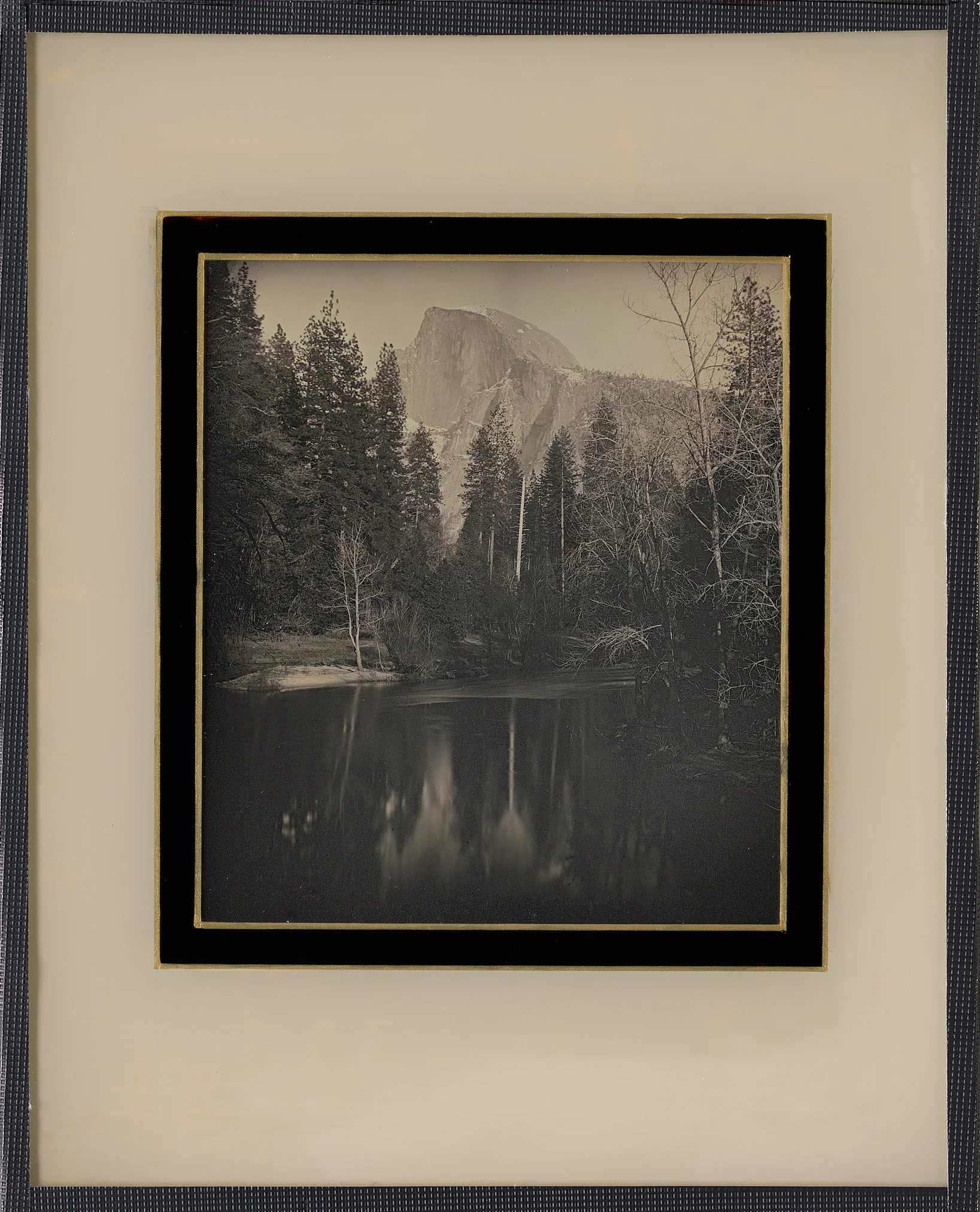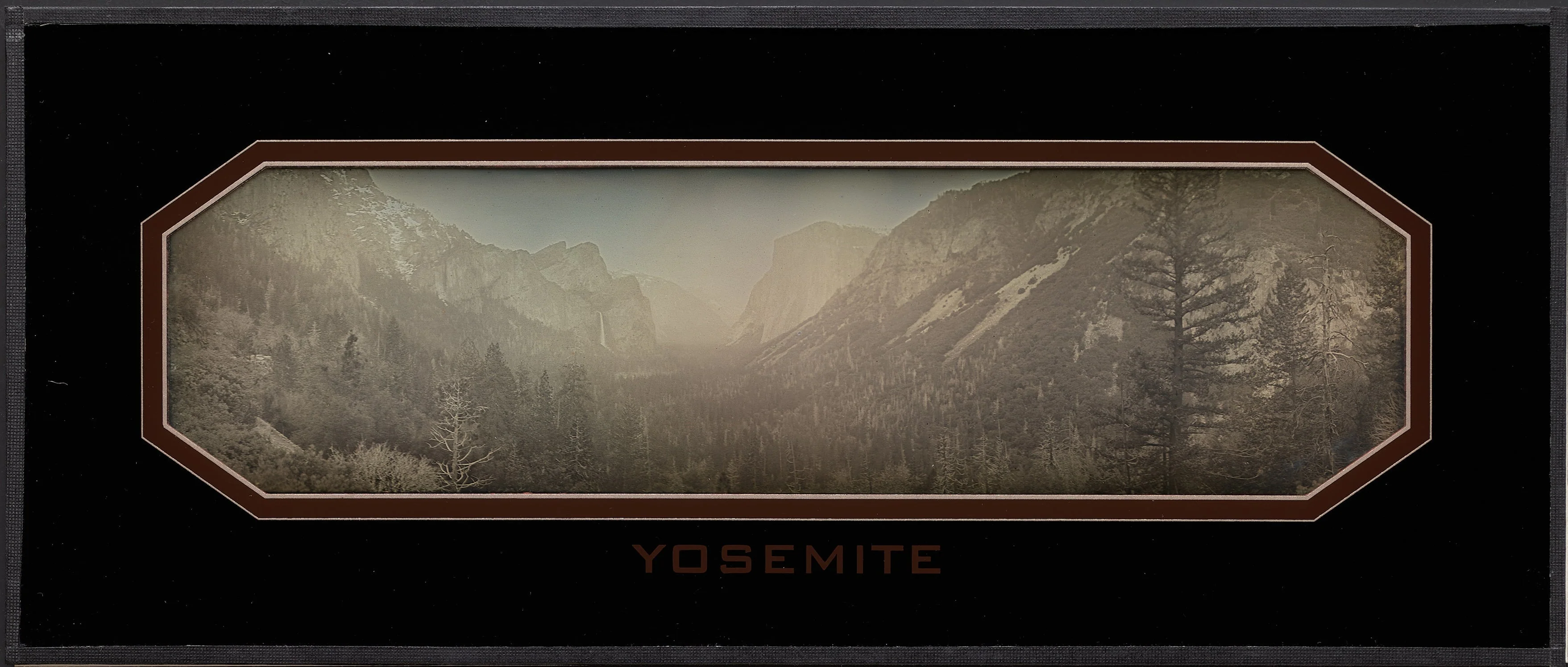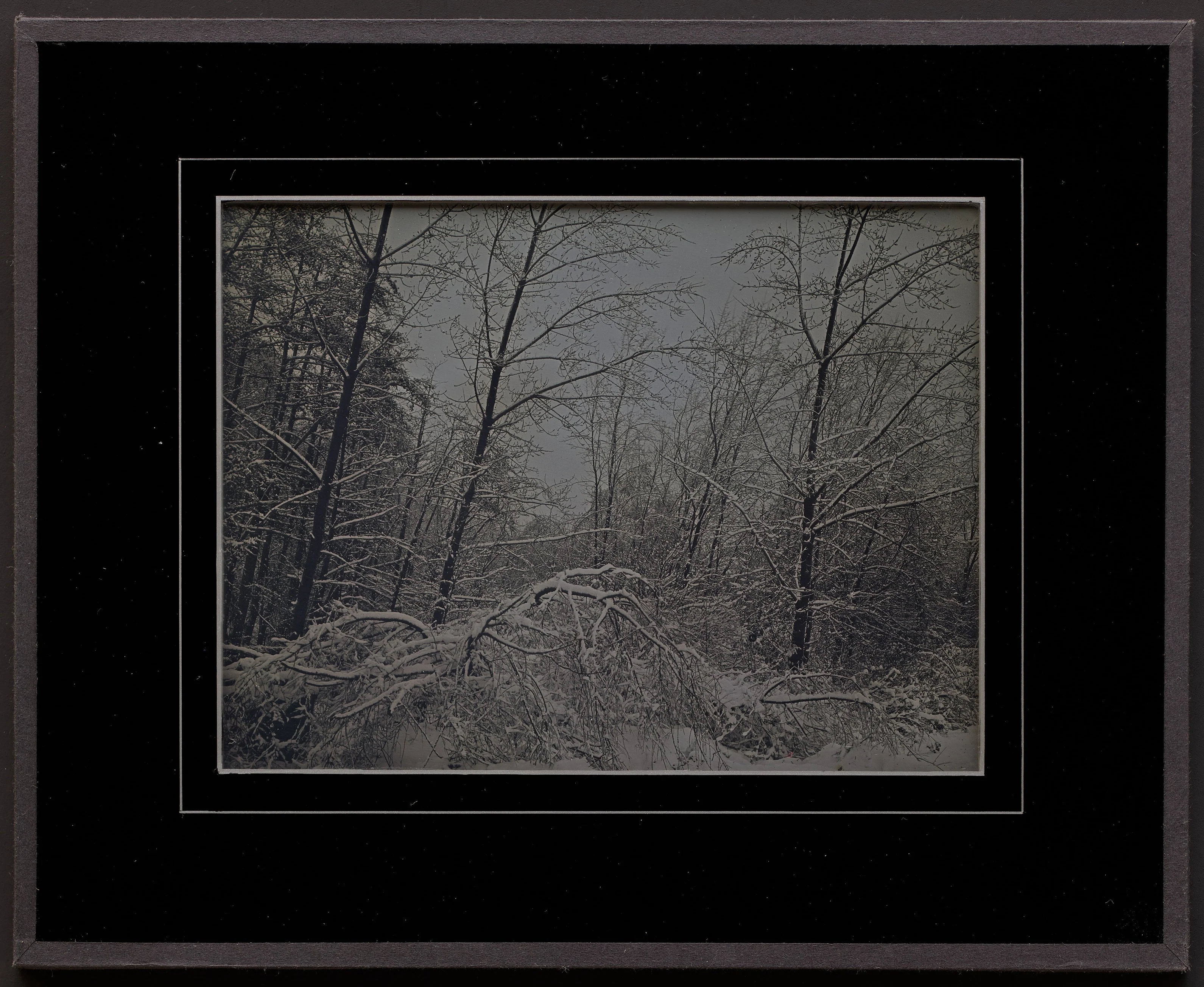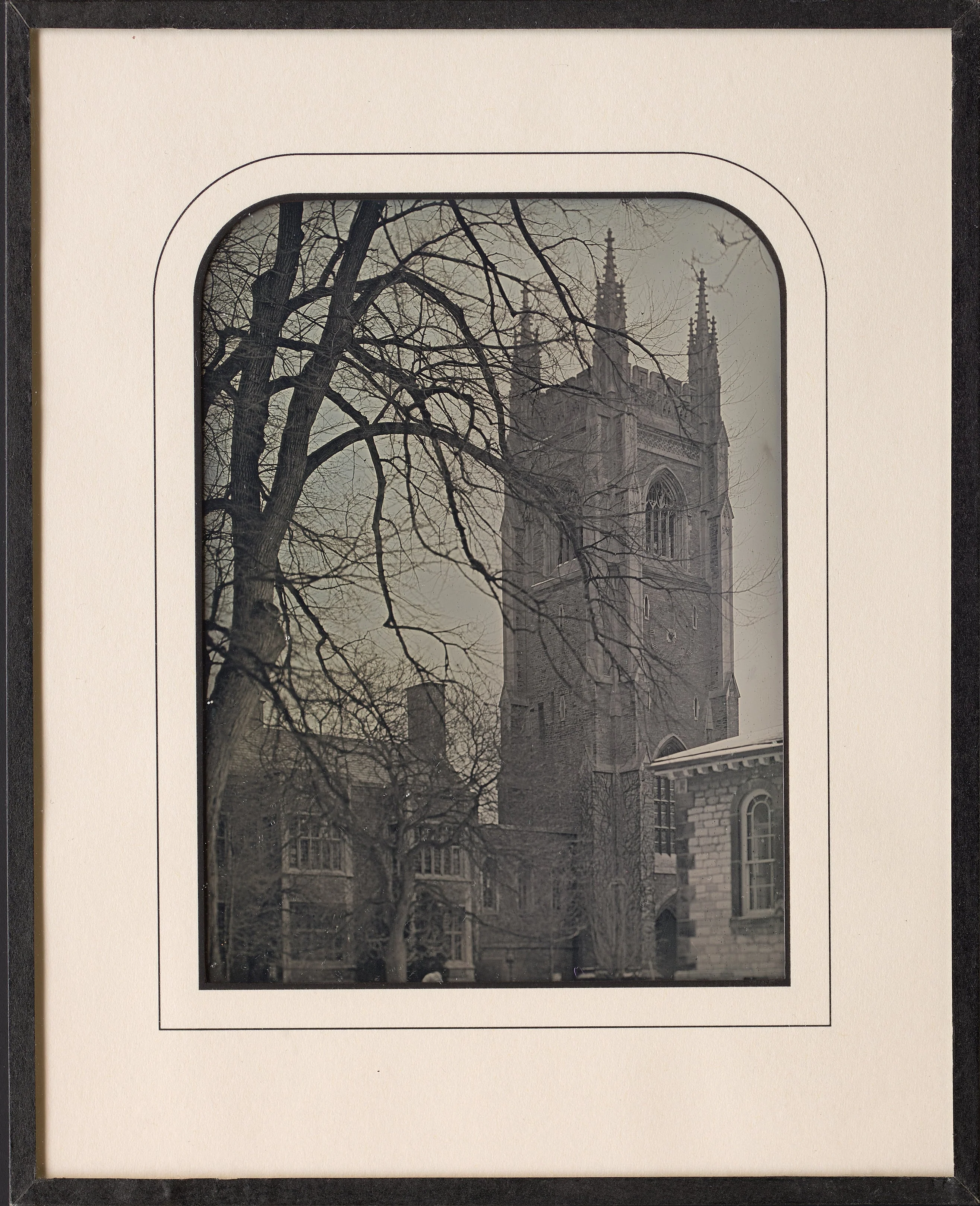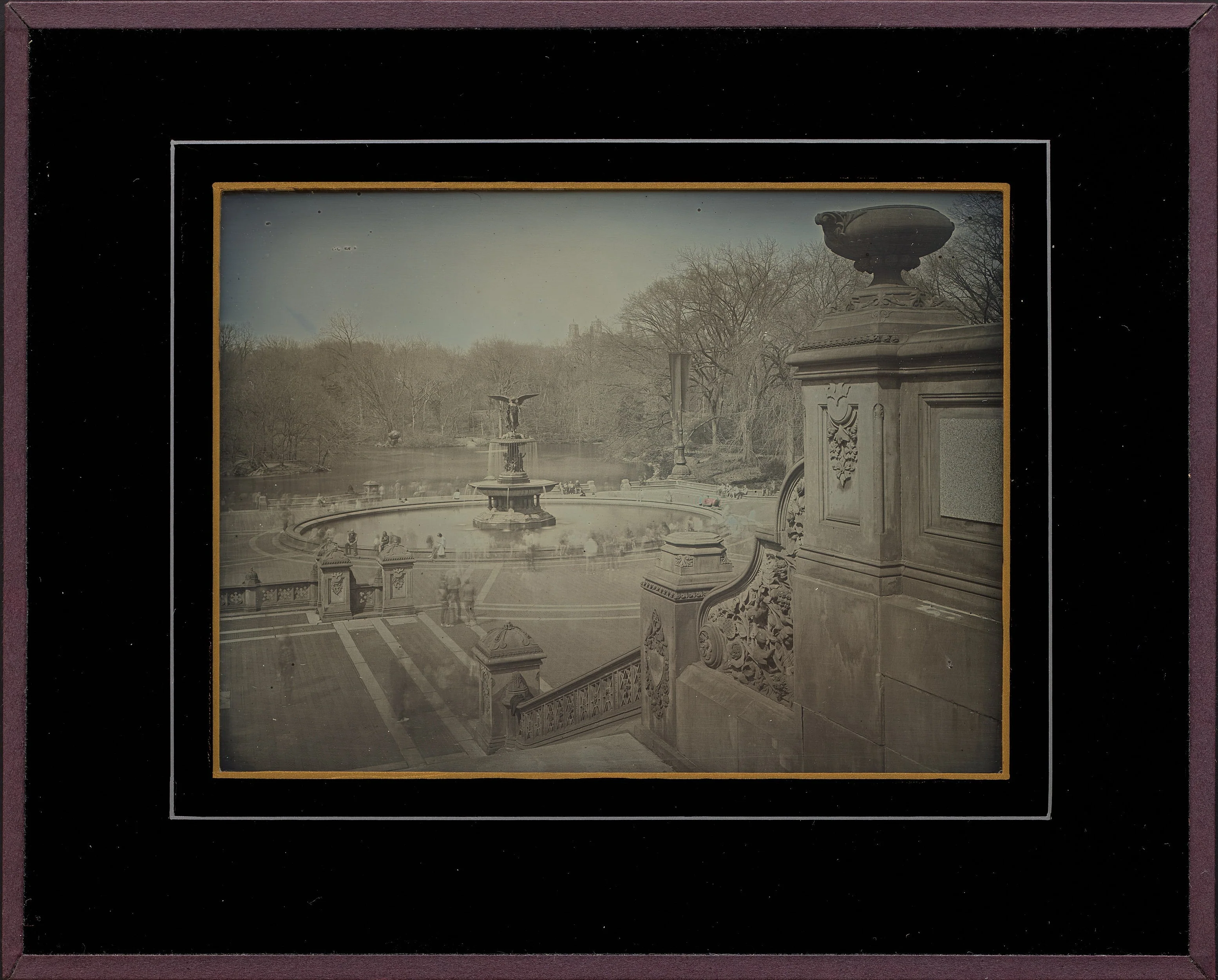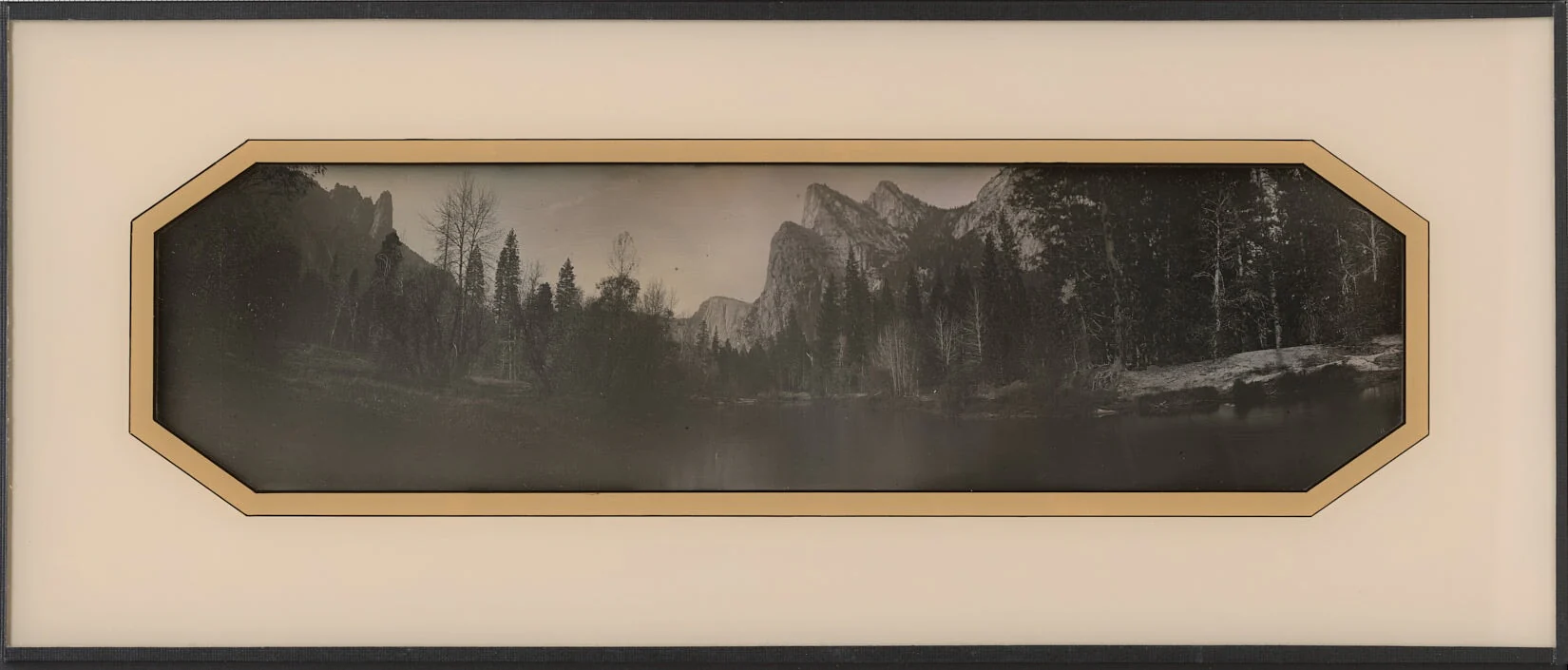
Tahiti Beach - Three Brothers
About Artist
Mike Robinson's PhD dissertation, The Techniques and Material Aesthetics of the Daguerreotype explains why daguerreotypes look the way they do. It does this by retracing the pathway of discovery and innovation described in historical accounts, and combining this historical research with artisanal, tacit, and causal knowledge gained from synthesizing new daguerreotypes in the laboratory. Admired for its astonishing clarity and holographic tones, each daguerreotype contains a unique material story about the process of its creation. Clues from the historical record that report improvements in the art have been tested in practice to explicitly understand the cause for effects described in texts and observed in historic images. This research raises awareness of the materiality of the daguerreotype as an image, and the materiality of the daguerreotype as a process.
About Daguerreotype
A daguerreotype is the first practical photography process. It was invented by Louis-Jacques-Mandé Daguerre in 1837 and publicly presented in 1839. This method creates detailed, unique photographs that appear as mirror images on silver-plated copper sheets. These sheets are often kept in decorative cases for protection.
Daguerreotypes are mostly used for portraits, capturing people’s likenesses with great detail. This style of photography was popular from the 1840s to the 1860s, marking an important moment in the history of photography.
MORE ARTICLES
The Daguerreotype Medium, Library of Congress
Daguerreotypes at Harvard - CURIOSity Digital Collections , Harvard University
Ordering Information
Artwork is currently on exhibition at The Ansel Adams Gallery and is not available for immediate shipment.
Please contact us at [email protected] if you have any questions about shipping and delivery.
Art Now, Pay Later
The Ansel Adams Gallery is proud to offer more ways to pay.
Get the artwork you want in 4 interest-free payments or choose a monthly payment plan when you check out with Shop Pay.* For orders, $50 to $17,000 USD
LEARN MORE
*ONLINE ORDERS ONLY. Rates from 0% APR or 10-30% APR. Payment options through Shop Pay Installments are subject to an eligibility check and are provided by these lending partners: http://affirm.com/lenders. Options depend on your purchase amount, and a down payment may be required. State notices to consumers http://www.affirm.com/licenses
"Original: $19,500.00
-65%$19,500.00
$6,825.00Product Information
Product Information
Shipping & Returns
Shipping & Returns
Description
About Artist
Mike Robinson's PhD dissertation, The Techniques and Material Aesthetics of the Daguerreotype explains why daguerreotypes look the way they do. It does this by retracing the pathway of discovery and innovation described in historical accounts, and combining this historical research with artisanal, tacit, and causal knowledge gained from synthesizing new daguerreotypes in the laboratory. Admired for its astonishing clarity and holographic tones, each daguerreotype contains a unique material story about the process of its creation. Clues from the historical record that report improvements in the art have been tested in practice to explicitly understand the cause for effects described in texts and observed in historic images. This research raises awareness of the materiality of the daguerreotype as an image, and the materiality of the daguerreotype as a process.
About Daguerreotype
A daguerreotype is the first practical photography process. It was invented by Louis-Jacques-Mandé Daguerre in 1837 and publicly presented in 1839. This method creates detailed, unique photographs that appear as mirror images on silver-plated copper sheets. These sheets are often kept in decorative cases for protection.
Daguerreotypes are mostly used for portraits, capturing people’s likenesses with great detail. This style of photography was popular from the 1840s to the 1860s, marking an important moment in the history of photography.
MORE ARTICLES
The Daguerreotype Medium, Library of Congress
Daguerreotypes at Harvard - CURIOSity Digital Collections , Harvard University
Ordering Information
Artwork is currently on exhibition at The Ansel Adams Gallery and is not available for immediate shipment.
Please contact us at [email protected] if you have any questions about shipping and delivery.
Art Now, Pay Later
The Ansel Adams Gallery is proud to offer more ways to pay.
Get the artwork you want in 4 interest-free payments or choose a monthly payment plan when you check out with Shop Pay.* For orders, $50 to $17,000 USD
LEARN MORE
*ONLINE ORDERS ONLY. Rates from 0% APR or 10-30% APR. Payment options through Shop Pay Installments are subject to an eligibility check and are provided by these lending partners: http://affirm.com/lenders. Options depend on your purchase amount, and a down payment may be required. State notices to consumers http://www.affirm.com/licenses
"